

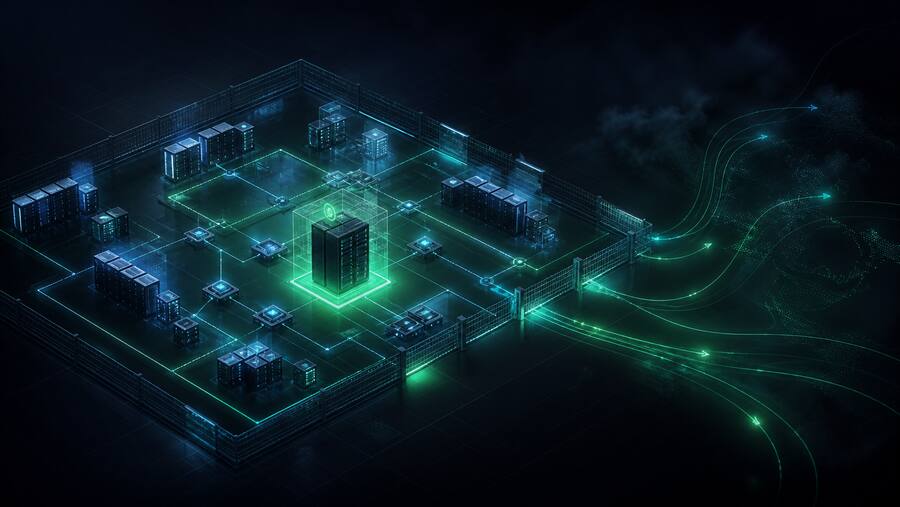
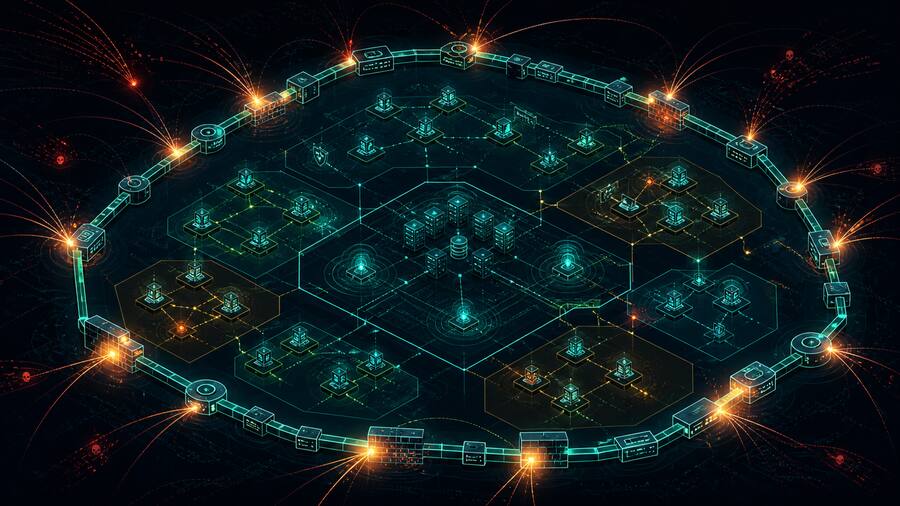
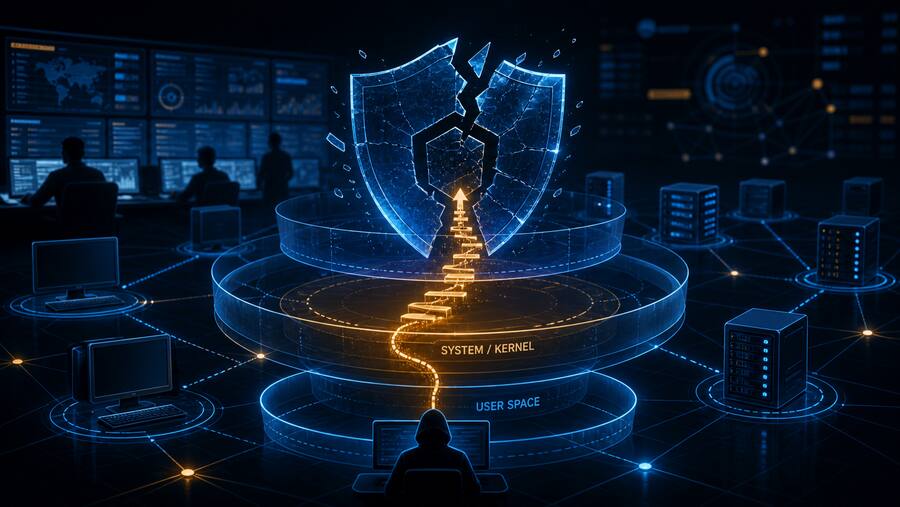

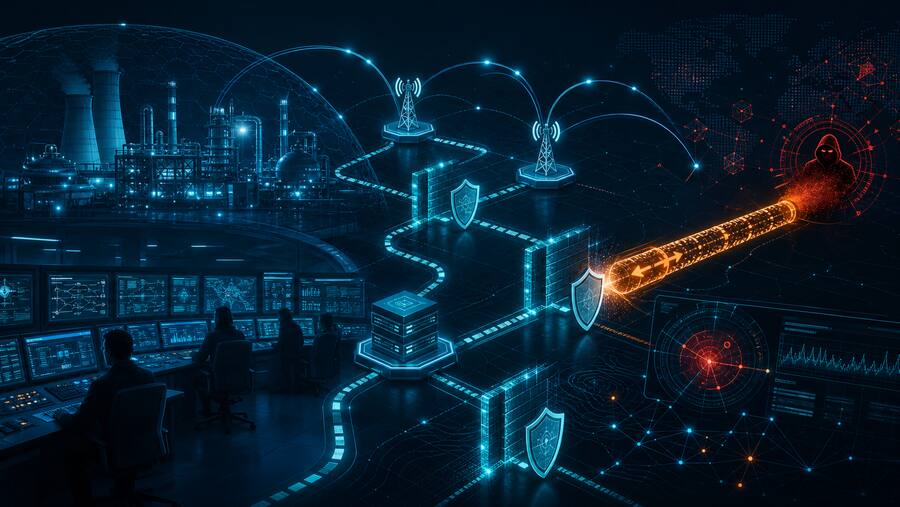
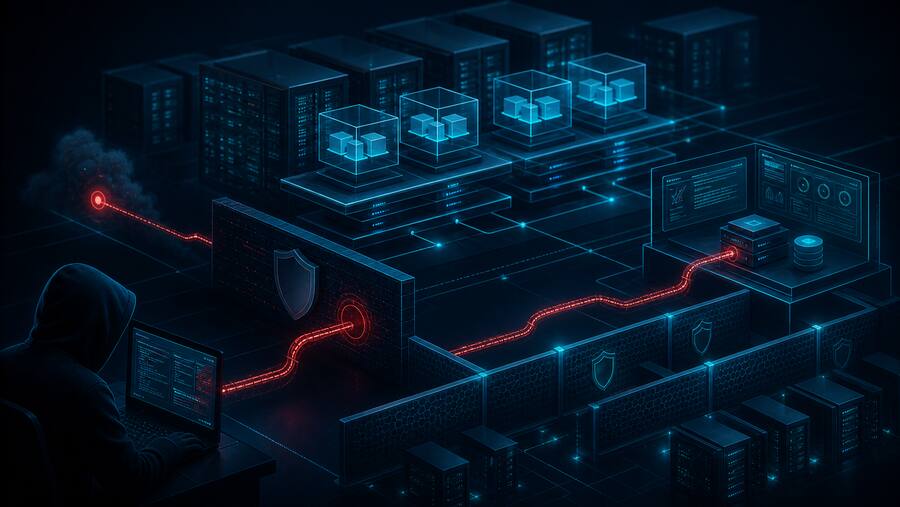

Remote monitoring and management platforms are supposed to give trusted technicians fast access to endpoints. When that trust boundary fails, the same tooling becomes an attacker’s ready-made access layer.
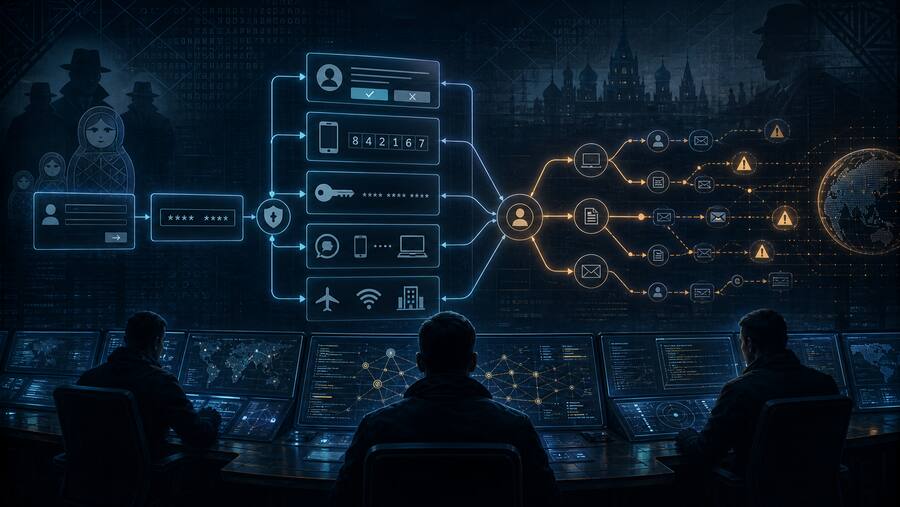
SC Media reported on Blackpoint APG research describing exploitation of CVE-2026-48558, a critical SimpleHelp authentication bypass in the OIDC login flow. In vulnerable configurations, a remote unauthenticated attacker can forge identity claims and obtain a technician session without a valid signed token. The vulnerability was added to CISA’s Known Exploited Vulnerabilities catalog on June 29, 2026, with urgent mitigation requirements for federal environments.
What happened
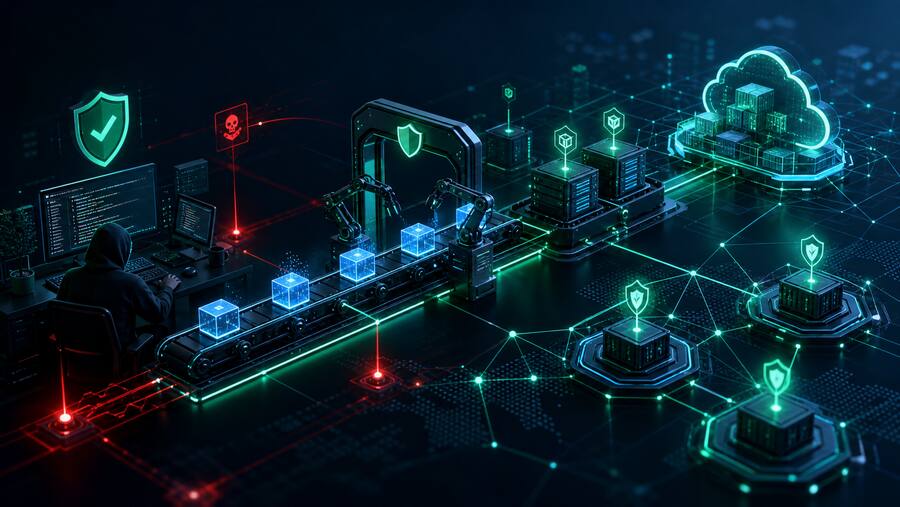
According to the reporting, attackers used SimpleHelp access to retrieve and run a disguised JavaScript file named like a legitimate jQuery library. That file was actually TaskWeaver, a heavily obfuscated Node.js loader. TaskWeaver then contacted attacker-controlled infrastructure, exchanged encrypted tasking, and delivered a second-stage payload known as Djinn Stealer.
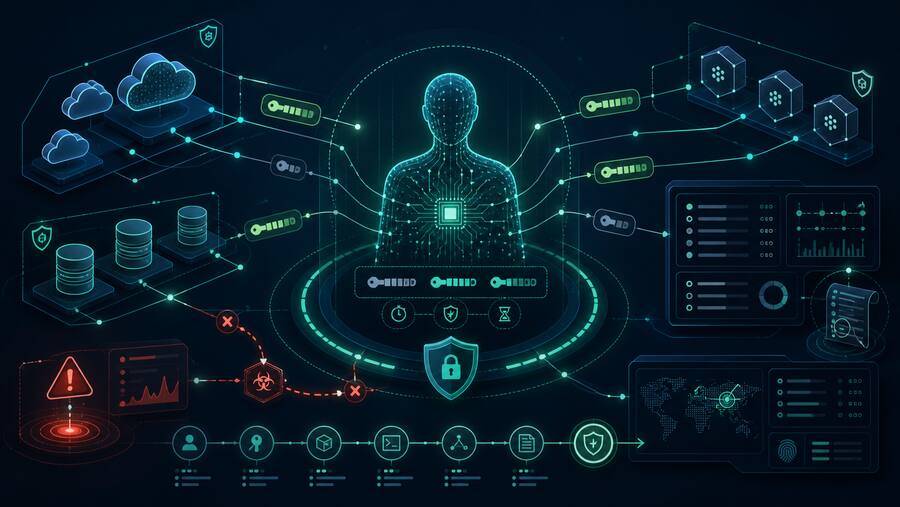
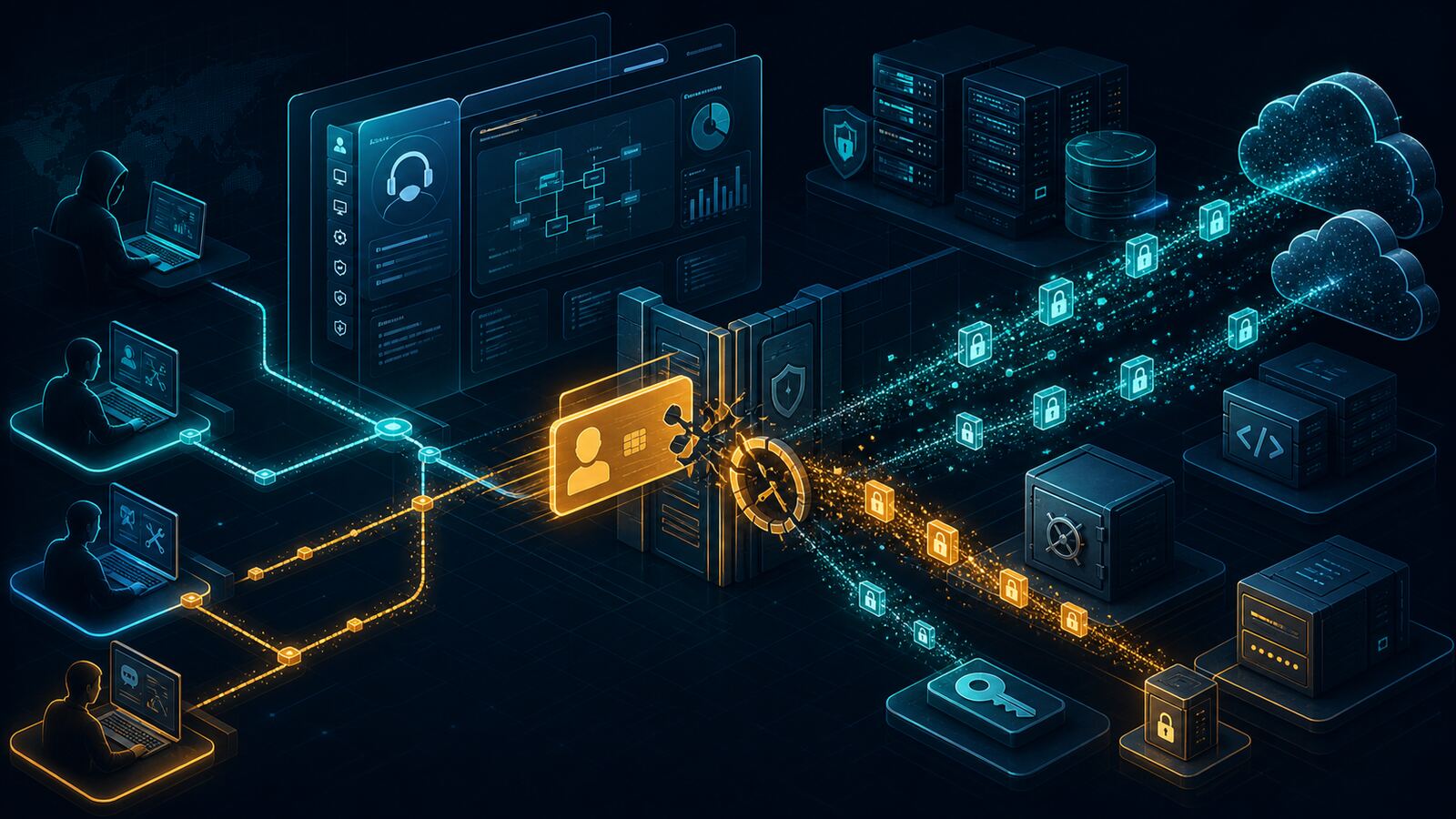
Djinn Stealer is especially concerning because its target list maps directly to modern business infrastructure. It looks for cloud credentials, developer tooling secrets, package registry tokens, SSH and Git data, AI tool configuration, browser artifacts, shell history, database client files, and cryptocurrency wallets across Windows, macOS, and Linux systems.
Why it matters
For SMBs, MSPs, and government contractors, RMM tools are not just help desk utilities. They are privileged control planes. A compromised RMM server can provide the kind of reach attackers normally spend days or weeks trying to build: interactive endpoint access, trusted administrative context, file transfer, execution, and visibility across customer or internal systems.
The SimpleHelp case also highlights a bigger shift: credential theft is no longer limited to browser passwords and VPN accounts. Modern stealers are hunting the tokens that run software delivery, cloud infrastructure, AI-assisted development, and SaaS administration. If those secrets are taken from a technician workstation or RMM-connected system, the incident can quickly become a supply-chain, cloud, or identity compromise.
Defensive takeaways
- Patch or isolate SimpleHelp immediately. Update vulnerable SimpleHelp deployments and remove administrative interfaces from direct internet exposure wherever possible.
- Hunt for forged technician activity. Review SimpleHelp logs for newly created accounts, unusual OIDC changes, unfamiliar source IPs, abnormal login times, and unexpected technician sessions.
- Treat RMM compromise as credential compromise. Rotate credentials, API keys, package registry tokens, cloud keys, IdP secrets, and AI tooling tokens accessible from affected servers or technician endpoints.
- Alert on scripting runtimes launched by RMM. Node.js, PowerShell, Python, Deno, Bun, and unexpected JavaScript execution from remote support tooling should be high-signal detections.
- Restrict RMM admin access. Put RMM consoles behind VPN, identity-aware proxy, conditional access, and strong MFA. Segment technician permissions so one rogue session cannot touch everything.
- Block or scrutinize temporary tunnel abuse. Investigate RMM-initiated downloads from tunneling services and newly observed infrastructure, especially when paired with scripting runtime execution.
Bulwark Black assessment
This is the kind of intrusion chain defenders should prioritize over generic malware noise. The initial bug is an authentication bypass, but the business risk is much broader: trusted remote access plus secret theft. Organizations should assume that any exposed RMM product is part of their tier-zero identity and operations surface, not a routine IT application.
The practical move is to combine patching with compromise review. If SimpleHelp was internet-exposed and vulnerable, “we updated it” is not enough. Confirm whether technician sessions were abused, identify what credentials could have been reached, and rotate the secrets that would let an attacker move from endpoint access into cloud, code, or customer environments.
Original source: SC Media: Attack exploiting SimpleHelp vulnerability deploys novel loader, infostealer
Reference: NVD: CVE-2026-48558