






Ransomware response playbooks usually start with containment, preservation, and executive communications. That still matters. But the latest reporting around Iranian-linked MuddyWater activity is a reminder that the ransom note may not tell defenders what kind of incident they are actually handling.
Infosecurity Magazine reported on NCC Group analysis warning that MuddyWater, an Iran-linked espionage group associated with Iran’s Ministry of Intelligence and Security, posed as the Chaos ransomware operation to mask cyber-espionage activity. Rapid7’s earlier technical analysis described an intrusion that looked like a Chaos ransomware incident on the surface, but showed signs of a false-flag operation tied with moderate confidence to MuddyWater.
What happened
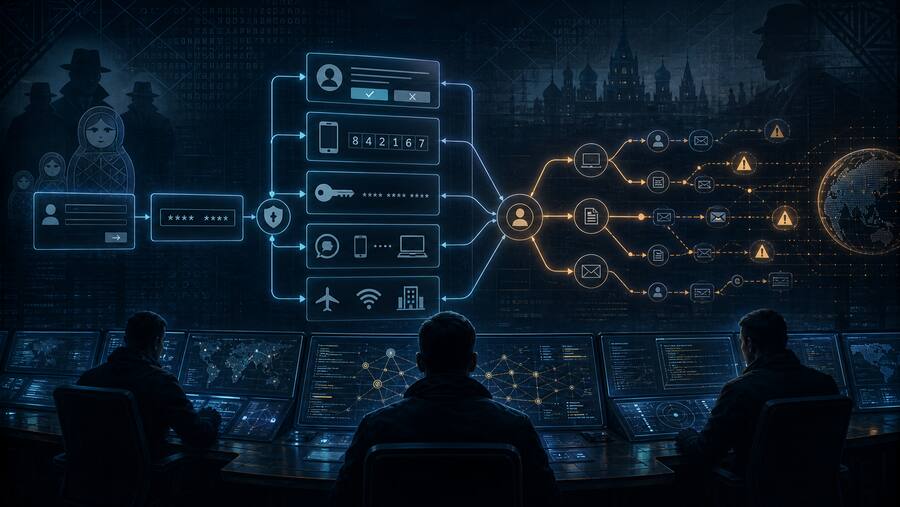
The reported activity blended criminal extortion optics with state-backed tradecraft. Defenders saw ransomware-style pressure tactics: negotiation channels, leak-site references, and claims of stolen data. Underneath that branding, the observed intrusion chain leaned heavily on social engineering, credential collection, MFA manipulation, legitimate remote access tooling, and data exfiltration.
Rapid7 described a Microsoft Teams-based social engineering path where attackers interacted directly with users, used screen-sharing, gathered credentials, pushed remote administration tools such as AnyDesk and DWAgent, and later deployed custom malware including a downloader and a RAT masquerading as a WebView2-style application. That is not just “encrypt files, demand payment.” It is hands-on intrusion activity that can support espionage, persistence, and future access.
Why it matters for SMBs and government contractors
Small businesses and government contractors often triage incidents by the visible symptom: ransomware note, suspicious remote access tool, disabled account, or data-leak threat. This case shows why that can be dangerous. A state-linked actor using ransomware branding can create a false sense of motive. If the team assumes the incident is purely financial, they may stop after restoring systems and miss the identity compromise, persistence, or intelligence collection that made the operation valuable.
For organizations supporting federal customers, defense-adjacent work, critical infrastructure, or sensitive research, that distinction matters. A fake ransomware frame can be used to slow attribution, distract executives, pressure legal teams, and cause responders to focus on payment risk instead of long-term access removal.
Defensive takeaways
- Treat external Teams and chat requests as an initial-access surface. Review whether external collaboration is needed, restrict who can receive external messages, and log one-on-one interactions where possible.
- Hunt for interactive credential theft, not just malware. Look for users being asked to type passwords into local files, unexpected MFA changes, new device enrollments, and unusual successful logins after helpdesk-style conversations.
- Inventory remote access tools. AnyDesk, DWAgent, Quick Assist, ScreenConnect, and similar tools should be explicitly approved, monitored, and blocked by default where they are not business-required.
- Preserve attribution evidence. Ransomware-style notes and leak-site claims are not enough. Preserve authentication logs, chat artifacts, EDR timelines, RDP activity, command execution, DNS, proxy logs, and cloud audit trails.
- Assume data theft and persistence can coexist. Even if encryption never happens, rotate exposed credentials, revoke sessions, check MFA enrollments, review privileged accounts, and validate that remote access paths are gone.
- Separate incident communications from incident conclusions. Executives may need ransomware messaging quickly, but the technical team should continue investigating actor behavior, objectives, and tradecraft before declaring the incident financially motivated.
Bulwark Black assessment
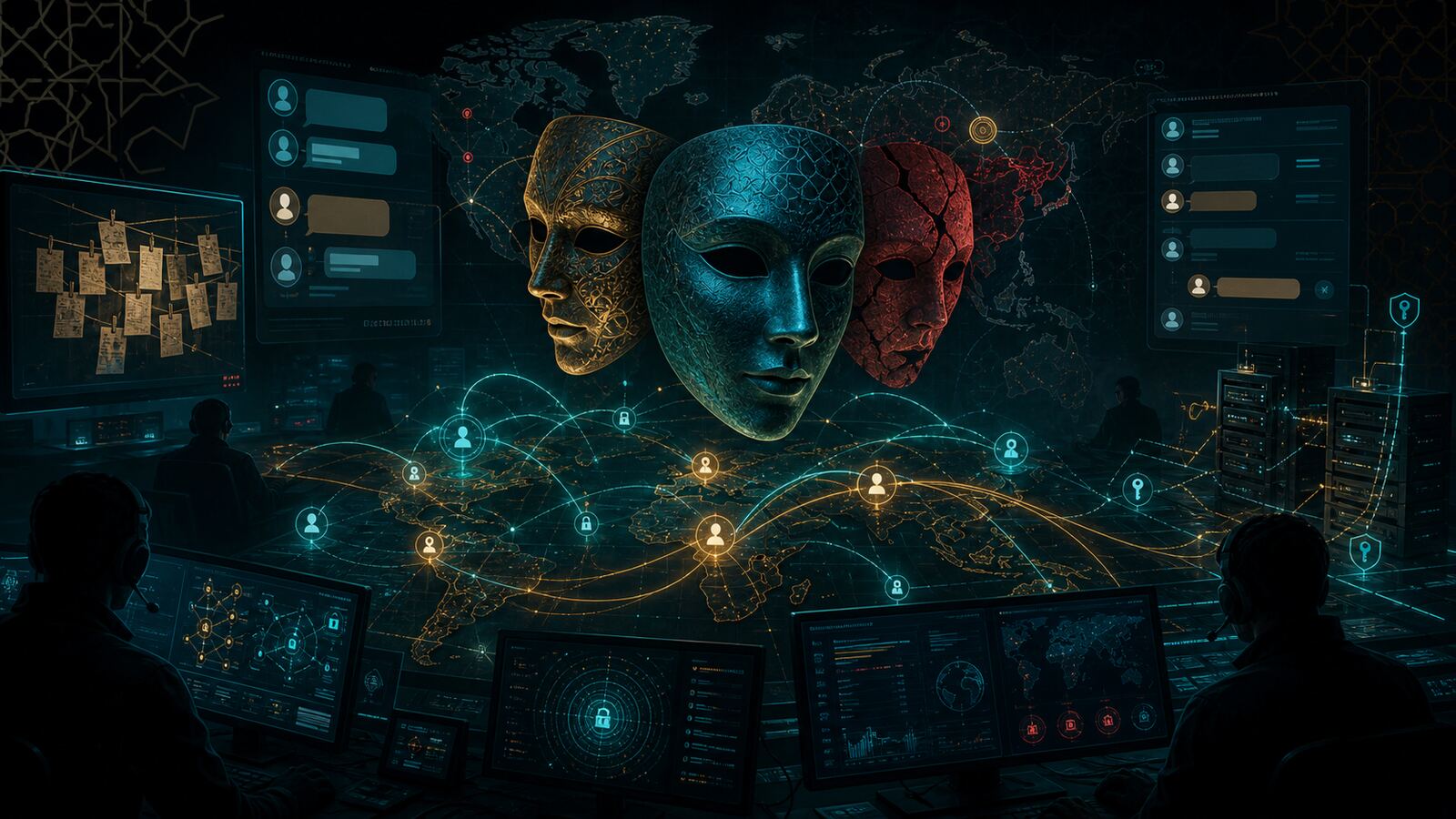
The important lesson is not that every ransomware case is secretly an APT operation. The lesson is that ransomware branding has become a costume. Criminal groups, state-backed groups, and hybrid operators now borrow the same tooling, infrastructure, and pressure tactics. That means defenders need to shift from “what name is on the ransom note?” to “what did the adversary actually do?”
For SMBs and government contractors, the practical move is to harden identity, collaboration platforms, and remote access workflows before a crisis. A well-tuned ransomware plan should now include an attribution-discipline step: verify whether the visible extortion activity matches the deeper intrusion behavior. If it does not, treat the event as a potential espionage case until the evidence proves otherwise.
Original reporting: Infosecurity Magazine. Technical analysis: Rapid7.