


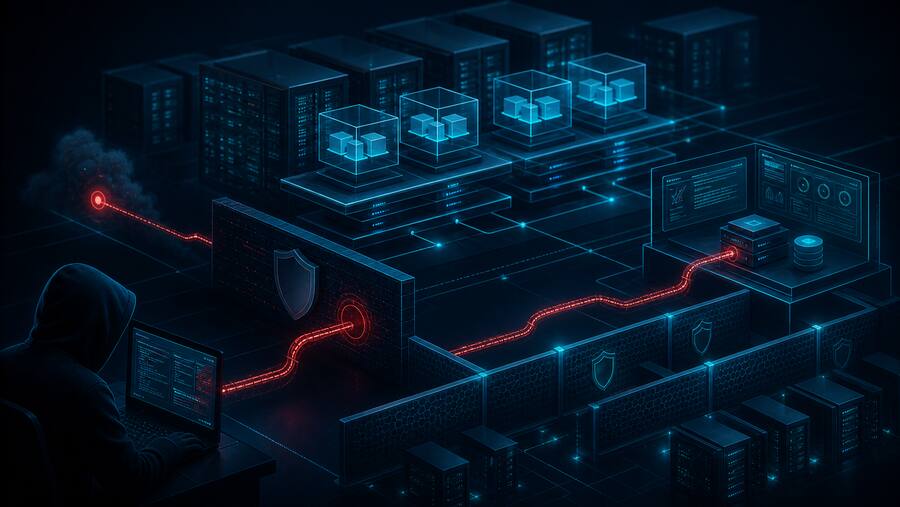


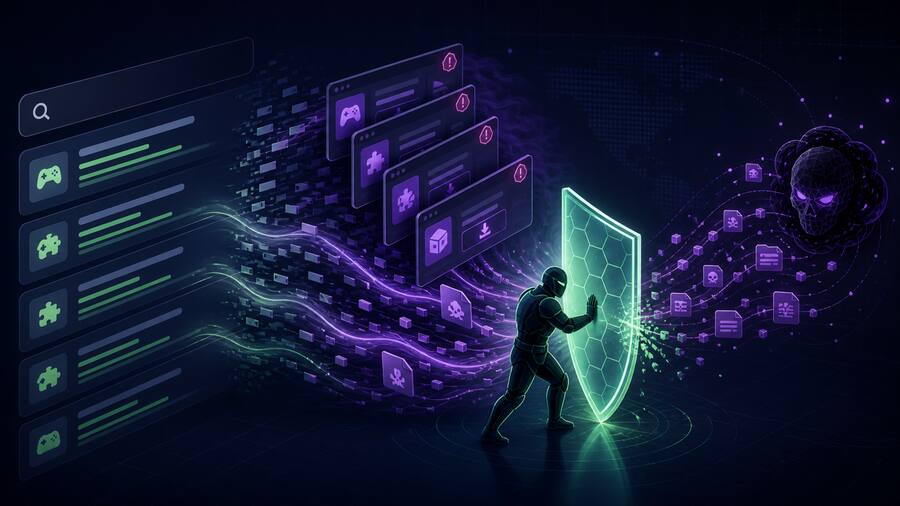
Microsoft has linked the recent Mastra AI npm supply-chain compromise to Sapphire Sleet, the North Korean threat actor also tracked as BlueNoroff. BleepingComputer reported that the campaign used a compromised npm maintainer account to publish malicious updates across more than 140 packages in the @mastra scope, turning normal developer installs into a credential-theft path.
The important part is not just the package count. It is the target set. Mastra sits in the AI-agent development ecosystem, where developers often have local cloud credentials, API keys, GitHub tokens, package-publishing access, and crypto-wallet extensions close to the same workstation. That makes an AI framework dependency compromise a direct route into build systems, SaaS environments, and financial assets.
What was reported
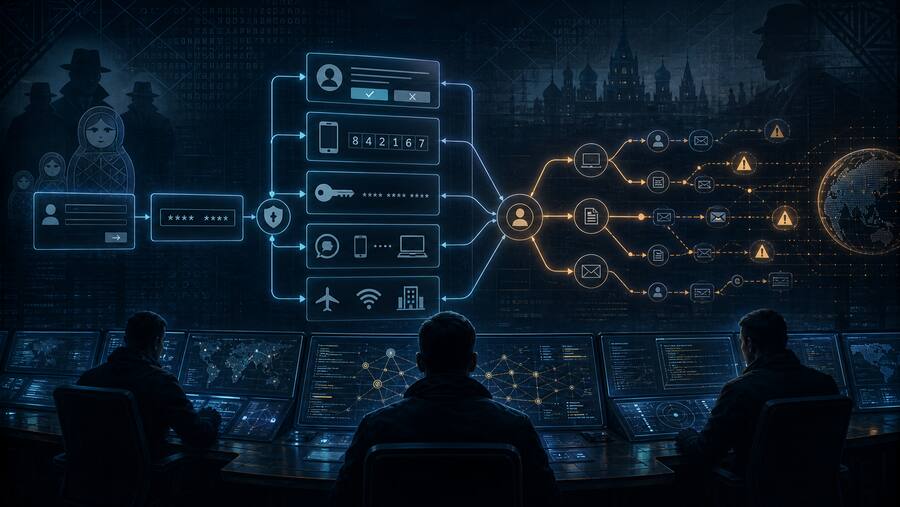
According to the reporting and Microsoft’s update, the attacker compromised an npm account with publishing rights and pushed malicious package versions that pulled in a typosquatted dependency named easy-day-js. That dependency abused a post-install hook to run an obfuscated dropper, contact attacker-controlled infrastructure, and execute a second-stage payload.
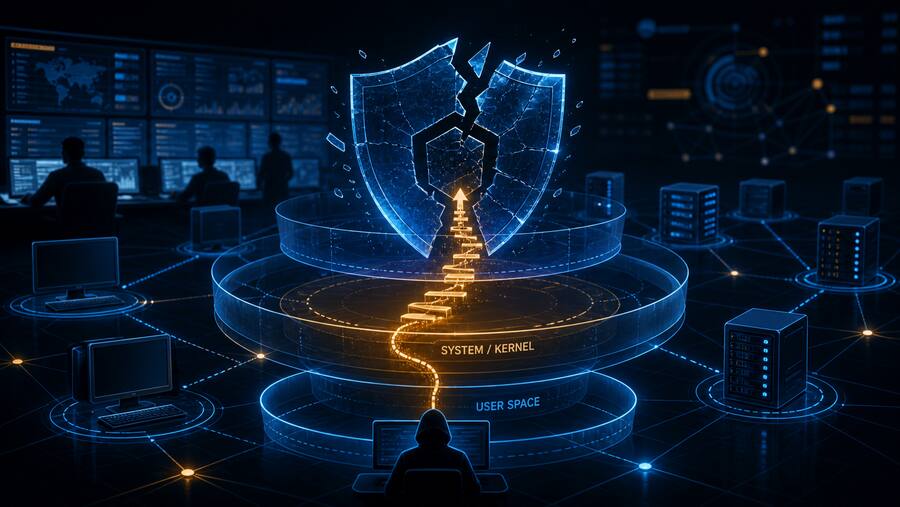
The second-stage malware was designed for Windows, macOS, and Linux. It collected host details, browser history, installed applications, running processes, and checked for cryptocurrency wallet browser extensions. Microsoft also observed follow-on activity tied to Sapphire Sleet tradecraft, including a PowerShell backdoor, persistence mechanisms, Defender exclusions, and a malicious Windows service running with elevated privileges.
Original reporting: BleepingComputer — Microsoft links Mastra AI supply chain attack to North Korean hackers. Microsoft technical update: Postinstall payload inside Mastra npm supply chain compromise.
Why this matters for SMBs and government contractors
AI tooling is moving into production faster than most security programs can model it. Developers are experimenting with agent frameworks, internal automation, MCP servers, vector databases, API wrappers, and package scaffolding on machines that often have access to real business systems. A dependency compromise in that workflow can bypass the perimeter entirely because the install is performed by a trusted user on a trusted endpoint.
For government contractors, this is especially uncomfortable. Even small firms may handle controlled data, proposal materials, customer portals, cloud tenants, and software repositories. A stolen GitHub token or cloud key from a developer workstation can become a larger incident than the original infected package.
Defensive takeaways
- Audit npm exposure immediately. Search dependency locks, CI logs, package caches, and developer workstations for affected
@mastraversions and theeasy-day-jsdependency. - Treat post-install scripts as execution paths. In CI/CD, disable lifecycle scripts where practical, require exceptions for packages that need them, and alert when new dependencies introduce install-time execution.
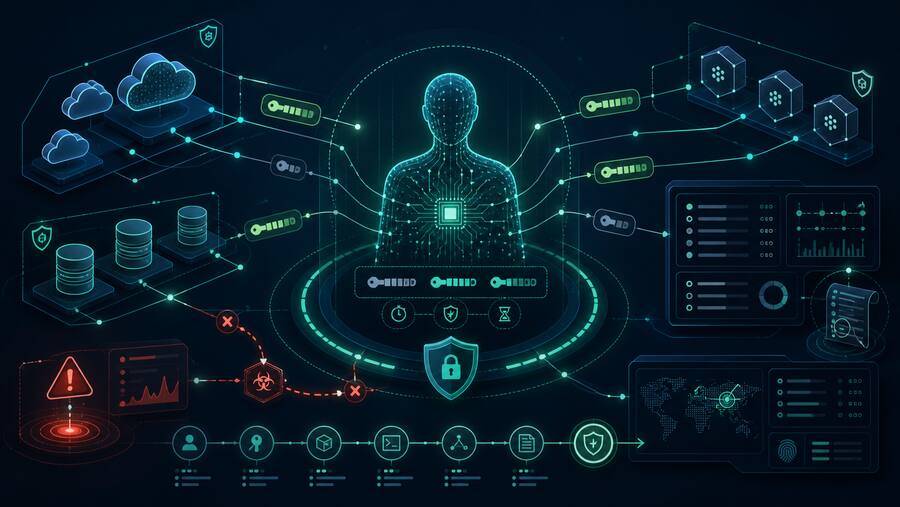
- Rotate secrets from exposed developer systems. If a workstation or build runner installed a compromised package, rotate GitHub, npm, cloud, SaaS, SSH, and API credentials reachable from that environment.
- Monitor for cross-platform persistence. Look for unusual Registry Run keys on Windows, LaunchAgents on macOS, and unexpected systemd user services on Linux.
- Separate AI experimentation from production identity. AI-agent testing should not happen on endpoints holding production cloud keys, package-publishing rights, or privileged customer access.
- Watch for wallet and browser-extension targeting. North Korean operators continue to blend software supply-chain access with cryptocurrency theft objectives.
Bulwark Black assessment
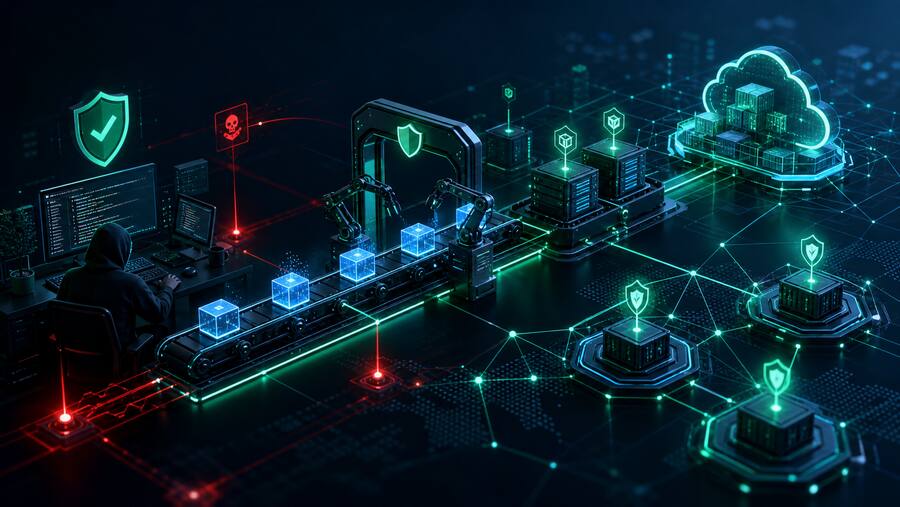
This incident is a good example of why AI security cannot stop at prompt injection. The agent framework itself, its dependency graph, the developer endpoint, and the build pipeline are all part of the attack surface. The practical control is not one silver-bullet scanner. It is layered friction: package provenance, restricted install scripts, clean build runners, least-privilege developer tokens, EDR coverage on engineering endpoints, and fast secret rotation when the ecosystem burns.
For smaller teams, the near-term move is simple: inventory where AI development is happening, identify which machines and CI jobs can install third-party packages, and assume those environments need the same monitoring and credential hygiene as production servers.